
How to Choose a Hockey Stick Manufacturer for OEM & Private Label Success
Learn how to choose the right hockey stick manufacturer for OEM, private label, and wholesale production. Compare carbon fiber quality, MOQ, certifications, customization, pricing, durability, and supply chain reliability with expert insights and real industry data.
HOCKEY STICK MANUFACTURER
5/8/20246 min read
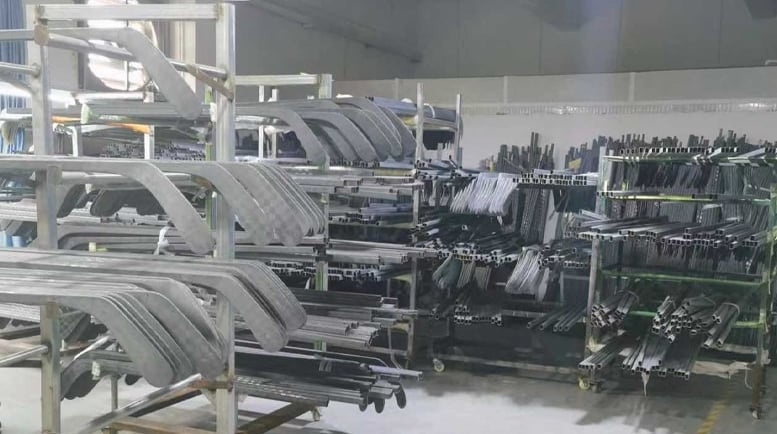
Introduction
Choosing the right hockey stick manufacturer is one of the most important decisions for any hockey equipment brand, distributor, startup, or sports retailer. A reliable supplier directly impacts product quality, player satisfaction, brand reputation, and long-term profitability.
In today’s hockey market, players are more educated than ever. They compare stick weight, carbon fiber construction, kick point technology, blade feel, durability, and flex consistency before buying. At the same time, competition among brands continues to intensify, especially in the OEM and private-label hockey equipment industry.
From my experience working with manufacturing-focused B2B websites and analyzing sports equipment supply chains, I’ve found that many buyers focus too heavily on price while ignoring the factors that actually determine long-term success: production consistency, engineering capability, communication efficiency, and quality control systems.
A low-cost supplier may save money initially, but inconsistent carbon layups, poor resin curing, delayed production schedules, or weak blade durability can damage your brand very quickly.
This guide explains exactly how to evaluate and choose a hockey stick manufacturer for OEM, wholesale, or private-label production. I’ll cover:
Factory capabilities
Carbon fiber materials
Quality testing standards
Customization options
MOQ considerations
Supply chain reliability
Cost analysis
OEM/private label strategies
Red flags to avoid
Real industry benchmarks
The goal is simple: help you build a hockey stick product line that players trust and retailers reorder.
Why Choosing the Right Manufacturer Matters
A hockey stick is not a simple sports product. Modern composite sticks involve advanced engineering, precision carbon layering, resin curing technology, vibration control systems, and durability balancing.
Elite-level sticks often retail between $200 and $400 in North America. According to multiple hockey retail market analyses and NHL equipment tracking sources, Bauer, CCM, Warrior, and True continue dominating the professional-level market through continuous material innovation and player-specific performance optimization.
This means your manufacturing partner is not just producing a product. They are producing your brand reputation.
Common Problems Caused by Poor Manufacturers
Problem Business Impact
Blade cracking High return rate
Inconsistent flex Customer dissatisfaction
Weak carbon structure Reduced durability
Delayed delivery Inventory shortages
Poor paint finish Cheap brand perception
Inconsistent weight Loss of player trust
Weak QC process Wholesale complaints
In hockey equipment, reputation spreads fast through players, coaches, pro shops, Reddit communities, and social media discussions.
Understand the Different Types of Hockey Stick Manufacturers
Before contacting suppliers, you should understand the manufacturing categories in the hockey industry.
OEM Manufacturers
OEM (Original Equipment Manufacturer) factories produce hockey sticks according to your brand requirements.
You control:
Logo
Graphics
Specifications
Flex options
Blade patterns
Packaging
OEM manufacturing is ideal for:
Established brands
Distributors
Sporting goods companies
Hockey startups building unique positioning
ODM Manufacturers
ODM suppliers already have existing hockey stick molds and technologies.
You mainly customize:
Branding
Cosmetics
Packaging
ODM is faster and cheaper than full OEM production.
White Label Suppliers
White label suppliers offer ready-made products with minimal customization.
Best for:
Small online stores
Entry-level brands
Market testing
However, white label products usually lack differentiation.
Evaluate Manufacturing Experience
Experience matters significantly in composite hockey stick production.
A factory producing generic sporting goods may not understand:
Hockey flex profiles
Kick point engineering
Blade torsion behavior
Ice-temperature durability
Balance optimization
I strongly recommend prioritizing manufacturers with:
5+ years of hockey stick production experience
Existing exports to North America or Europe
OEM experience with sports brands
Carbon composite specialization
Questions I Always Recommend Asking
How many hockey sticks do you produce monthly?
Which countries do you export to?
Do you manufacture for existing brands?
What carbon fiber materials do you use?
What testing standards do you follow?
Can you provide production videos?
Do you support custom molds?
What is your defect rate?
Reliable factories answer these questions clearly and confidently.
Analyze Carbon Fiber Quality
Carbon fiber is the core material in modern hockey sticks.
The quality of the carbon directly affects:
Weight
Durability
Energy transfer
Shot release
Stick feel
Common Carbon Fiber Grades
Carbon Type Characteristics Typical Use
Standard Carbon Fiber Affordable, heavier Entry-level sticks
Intermediate Modulus Carbon Balanced performance Mid-range sticks
High Modulus Carbon Fiber Lightweight and responsive Elite sticks
Toray Carbon Fiber Premium Japanese material Pro-level sticks
Many premium hockey stick brands market advanced carbon technologies heavily because players associate lightweight sticks with elite performance.
Why Resin Systems Matter
Many buyers focus only on carbon fiber and ignore resin quality.
In reality, poor resin systems often cause:
Blade softening
Delamination
Structural cracking
Ask suppliers:
Which resin systems are used?
What curing temperatures are applied?
What impact testing is performed?
Evaluate Hockey Stick Performance Engineering
Not all factories understand performance tuning.
A professional hockey stick manufacturer should understand:
Technical Feature Performance Impact
Low kick point Faster shot release
Mid kick point Powerful shots
Hybrid kick Balanced shooting
Blade stiffness Puck control
Shaft geometry Grip comfort
Balance point Handling speed
Player preferences vary greatly. Community discussions consistently show that flex profile and kick point selection are highly personal decisions.
A strong manufacturer should be able to explain:
Which construction suits forwards
Which design suits defensemen
How weight distribution affects shooting
How blade dampening impacts passing feel
If a supplier cannot explain these concepts, they may simply be reselling generic products.
Quality Control Is More Important Than Price
This is one of the biggest lessons I’ve learned in manufacturing sourcing.
A hockey stick factory without a strong QC system will eventually create expensive problems.
Important Quality Tests
Ask whether the factory performs:
Flex consistency testing
Compression testing
Blade impact testing
Fatigue testing
Weight verification
Surface inspection
Bonding integrity checks
Recommended Certifications
Certification Why It Matters
ISO 9001 Quality management system
SGS Testing Third-party verification
REACH Compliance EU material safety
RoHS Compliance Hazardous substance control
According to industry sourcing reports, counterfeit or poorly manufactured hockey sticks often fail basic durability and impact testing.
Evaluate Manufacturing Capacity
Your supplier must be able to scale with your business.
Key Questions
Monthly production capacity?
Lead times during peak season?
Backup production lines?
Raw material inventory levels?
Shipping capabilities?
Example Production Benchmarks
Business Stage Suggested Monthly Capacity
Startup brand 500–1,000 sticks
Growing distributor 3,000–5,000 sticks
Established brand 10,000+ sticks
Factories with weak production planning often experience delays before hockey season peaks.
MOQ (Minimum Order Quantity) Considerations
MOQ affects cash flow significantly.
Typical Industry MOQs
Product Type Typical MOQ
White label sticks 50–100 pcs
ODM sticks 200–500 pcs
Full OEM sticks 500–2,000 pcs
For startups, lower MOQ suppliers reduce inventory risk.
However, lower MOQs may increase:
Unit costs
Mold fees
Shipping costs
Customization Capabilities
A strong OEM manufacturer should support deep customization.
Important Customization Options
Structural Customization
Flex ratings
Kick points
Shaft geometry
Blade stiffness
Weight balancing
Cosmetic Customization
Logos
Paint finish
UV coating
Grip texture
Packaging
Player-Specific Options
Curve patterns
Length
Grip style
Stick lie
Custom hockey stick demand continues growing because players increasingly seek personalized performance characteristics.
Supply Chain Reliability
Supply chain stability became critical after global shipping disruptions.
A reliable hockey stick manufacturer should:
Maintain stable raw material sourcing
Have predictable shipping schedules
Offer inventory planning support
Communicate delays proactively
Red Flags
Warning Sign Risk Level
Slow email responses High
Unclear lead times High
No factory photos High
No testing reports Very High
Extremely low prices Very High
Reddit hockey communities frequently discuss counterfeit or suspiciously cheap sticks sold through unofficial channels.
Factory Audits and Verification
Never rely only on product photos.
I strongly recommend:
Video factory tours
Third-party inspections
Sample testing
Live production calls
Shipment verification
What to Check During a Factory Audit
Area What to Inspect
Carbon storage Temperature/humidity control
Production line Cleanliness and organization
Painting area Surface quality
QC department Testing equipment
Packaging Export readiness
Pricing Analysis
Price should never be your only decision factor.
Typical OEM Hockey Stick Pricing
Stick Level Estimated Factory Price
Entry-level composite $25–$45
Mid-range performance $45–$80
Elite-level carbon stick $80–$160
Final retail pricing depends heavily on:
Branding
Distribution
Marketing
Sponsorships
Retail margins
Premium brands command significantly higher prices because of player trust and professional-level branding.
Communication Quality Matters More Than Most Buyers Realize
One overlooked factor is communication.
Good manufacturers:
Reply quickly
Explain technical details clearly
Share production updates
Solve problems proactively
Poor communication usually becomes worse after payment.
Should You Choose a China Hockey Stick Manufacturer?
China remains one of the largest hockey stick production hubs globally due to:
Carbon fiber expertise
Mature supply chains
Competitive labor costs
Advanced composite manufacturing
Advantages
Lower production costs
Strong OEM capabilities
High scalability
Extensive customization
Challenges
Supplier quality variation
Language barriers
Counterfeit risk
Inconsistent QC among smaller factories
The key is choosing the right factory—not avoiding the country entirely.
Sustainability and Environmental Responsibility
Sustainability is becoming increasingly important in sports manufacturing.
Some advanced factories now offer:
Recycled packaging
Lower-emission production
Eco-friendly resin systems
Waste reduction programs
Retailers and distributors increasingly value sustainable sourcing partnerships.
Building a Long-Term Manufacturing Partnership
The best hockey brands do not constantly switch suppliers.
Long-term partnerships improve:
Product consistency
Pricing stability
R&D collaboration
Priority production scheduling
I always recommend treating manufacturers as strategic partners rather than temporary vendors.
Common Mistakes Buyers Make
Choosing Only Based on Price
Cheap suppliers often create expensive returns.
Ignoring Sample Testing
Always test:
Shot feel
Blade durability
Weight balance
Surface finish
No Written Specifications
Create detailed production specifications before mass production.
Weak Branding Strategy
Even excellent sticks fail without proper positioning.
The Future of Hockey Stick Manufacturing
The hockey equipment market continues evolving rapidly.
Emerging trends include:
AI-assisted composite optimization
Ultra-light carbon construction
Smart performance tracking
Enhanced vibration control
Sustainable materials
Manufacturers investing in R&D will dominate future OEM partnerships.
Final Checklist Before Choosing a Hockey Stick Manufacturer
Manufacturer Evaluation Checklist
Factor Importance
Hockey production experience Critical
Carbon fiber expertise Critical
QC systems Critical
OEM capability High
MOQ flexibility High
Lead time stability High
Communication quality High
Export experience High
Certifications Medium
Sustainability practices Medium
Conclusion
Choosing a hockey stick manufacturer is not just a sourcing decision—it is a long-term brand strategy.
The best supplier is rarely the cheapest. Instead, the ideal manufacturing partner combines:
Technical expertise
Stable quality
Reliable communication
Scalable production
Strong QC systems
Real hockey industry understanding
From everything I’ve analyzed across the hockey equipment market, successful brands focus heavily on consistency and trust. Players remember how a stick performs under pressure. Retailers remember return rates. Teams remember delivery reliability.
If you carefully evaluate manufacturing experience, carbon fiber quality, customization capability, QC systems, and supply chain stability, you can build a hockey stick brand that competes successfully in a highly demanding market.
The hockey industry rewards performance, reliability, and authenticity.
Your manufacturing partner should reflect all three.
FAQ
What is the best material for hockey sticks?
High modulus carbon fiber is currently the preferred material for elite hockey sticks because it offers lightweight performance and strong energy transfer.
How long does OEM hockey stick production take?
Most OEM production cycles range between 45 and 90 days depending on customization complexity and seasonal demand.
What is a good MOQ for startup hockey brands?
For startups, 100–300 pieces per model is usually manageable for testing market demand while controlling inventory risk.
Are expensive hockey sticks always better?
Not necessarily. Elite sticks provide better weight reduction and responsiveness, but durability and player preference are equally important.
How do I avoid fake hockey stick suppliers?
Verify certifications, request factory videos, test samples, inspect production capabilities, and avoid unrealistically low prices. Community discussions frequently warn about counterfeit high-end sticks sold through unofficial channels.
Which countries manufacture most composite hockey sticks?
China and several Southeast Asian countries dominate composite hockey stick manufacturing due to mature carbon fiber supply chains and OEM production expertise.
Get in touch
Share with visitors how they can contact you and encourage them to ask any questions they may have.
Professional Hockey Stick Supplier.
Contact
Follow Us
Email:sales@khockeystick.com
Hotline:+8619918080604
© 2026. All rights reserved.


Popular Products
OEM Hockey Sticks
Custom Hockey Sticks
Training & Youth Sticks